You Won’t Believe What Warsaw’s Local Markets Are Hiding
When I first wandered through Warsaw’s bustling streets, I wasn’t searching for luxury boutiques or tourist traps—I wanted the real deal. What I found blew my mind: vibrant markets brimming with handmade crafts, richly spiced sausages, and amber jewelry glowing like captured sunlight. Warsaw doesn’t just offer souvenirs; it offers stories. These specialty products aren’t just things—they’re pieces of Polish soul, passed down through generations. Let me take you beyond the guidebooks.
The Heartbeat of Warsaw: Exploring Local Markets
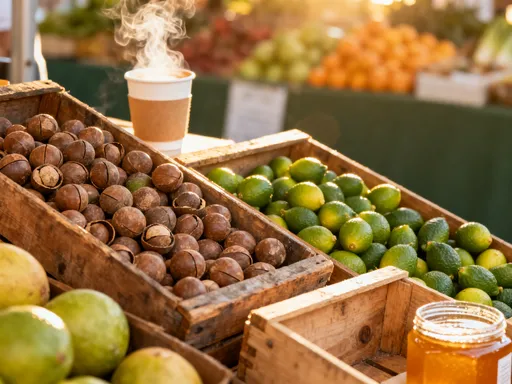
Warsaw’s local markets are not mere shopping destinations—they are living, breathing extensions of the city’s identity. At Hala Mirowska, one of the oldest market halls in the city, the air hums with energy. Vendors call out in Polish, their voices rising above the clatter of shopping carts and the sizzle of sausages on grills. Wooden crates overflow with seasonal produce: ruby-red beets in autumn, crisp white radishes in spring, and plump wild mushrooms after summer rains. The scent of fresh dill, smoked fish, and warm bread fills the air, creating an olfactory map of Polish culinary tradition.
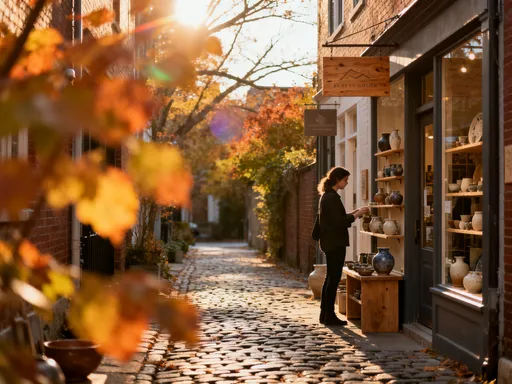
Equally captivating is Plac Zbawiciela, a weekend design and food market nestled in the heart of Warsaw’s New Town. Here, the atmosphere blends modern creativity with rural heritage. Young artisans display hand-thrown ceramics beside stalls selling heirloom apple varieties from small orchards in Mazovia. Unlike the polished stalls of tourist markets, these vendors speak with quiet pride about where their goods come from. Many are farmers, bakers, or craftspeople who travel hours to sell directly to the public. This direct connection fosters trust and transparency, a rare quality in an age of mass production.
What sets these markets apart is their deep-rooted seasonality. In spring, you’ll find jars of wild garlic pesto and fresh goat cheese. Summer brings buckets of forest strawberries and chilled kvass in glass bottles. Autumn ushers in preserves made from plums and rowanberries, while winter showcases smoked meats, pickled herring, and thick rye breads baked with caraway seeds. This rhythm reflects centuries-old agricultural cycles, preserved not out of nostalgia but necessity. Local sourcing isn’t a trend here—it’s tradition. Most vendors rely on family farms or regional cooperatives, ensuring freshness and supporting rural economies.
These markets also serve as cultural anchors. They are places where grandmothers teach grandchildren how to select the firmest cabbage for sauerkraut, where neighbors exchange recipes over cups of strong Polish coffee, and where visitors can witness the quiet dignity of craftsmanship. In a world increasingly dominated by convenience and speed, Warsaw’s markets offer a slower, more meaningful way to engage with food and culture. They are not just places to buy things—they are spaces to belong.
Amber: Poland’s Golden Treasure
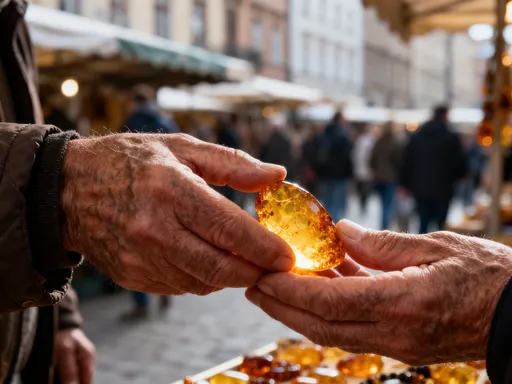
Baltic amber, often referred to as “northern gold,” is one of Poland’s most cherished natural resources. Formed over 40 million years ago from fossilized tree resin, this golden gemstone washes ashore along the Baltic Sea coast, particularly near Gdańsk. In Warsaw’s markets, amber is not just a jewel—it’s a symbol of resilience, memory, and national identity. Passed down through generations, amber necklaces are often given to newborns as protective talismans, believed to soothe teething pain and ward off illness. This belief, while rooted in folklore, speaks to the deep emotional connection Poles have with the stone.
Authentic amber can be found in specialty stalls across Hala Mirowska and at artisan markets like Ulica Przyrytka Design Market. Here, skilled jewelers display pieces ranging from raw, unpolished chunks to intricately carved pendants. The most prized varieties—green amber, blue amber, and golden honey amber—glow with an inner fire when held to the light. To distinguish real amber from imitations, buyers should look for warmth to the touch, a light weight, and a faint piney scent when gently rubbed. Fake pieces, often made of plastic, feel cold and heavy and emit a chemical odor when tested.
Modern amber artisans in Warsaw are reviving traditional techniques while embracing ethical practices. Many source their raw amber from certified collectors who harvest it sustainably from beaches, avoiding destructive mining methods. Craftsmen use hand tools to shape and polish each piece, ensuring minimal waste and maximum respect for the material. Some designers incorporate recycled silver settings, further enhancing the sustainability of their creations. These efforts reflect a growing awareness of environmental responsibility without sacrificing beauty or cultural authenticity.
For travelers, purchasing amber in Warsaw is more than a shopping experience—it’s an act of cultural preservation. Each piece carries the story of the Baltic Sea, the hands that shaped it, and the centuries of tradition behind it. Whether chosen as a gift or kept as a personal keepsake, amber becomes a tangible link to Poland’s natural and human history. It’s not just jewelry; it’s a legacy worn close to the heart.
From Farm to Jar: Traditional Polish Preserves and Pickles
In the quiet corners of Warsaw’s markets, tucked between baskets of onions and wheels of cheese, lie some of the most treasured expressions of Polish home cooking: jars of homemade preserves and fermented foods. These are not supermarket products with uniform labels and artificial flavors. Each jar bears the fingerprint of its maker—slightly uneven lids, handwritten notes, and labels smudged from kitchen steam. Inside, you’ll find thick plum jam swirled with cinnamon, sour cherry confiture with a hint of clove, and beet-based sauces so rich they resemble rubies.
Fermented cucumbers, known locally as ogórków kiszonych, are a staple at nearly every stall. Unlike vinegar-pickled cucumbers common elsewhere, these are lacto-fermented in brine, giving them a tangy, complex flavor and a satisfying crunch. Families often guard their fermentation recipes closely, passing them down like heirlooms. Some add dill, garlic, and oak leaves to enhance flavor and texture, while others swear by a single clove of garlic and a sprig of wild horseradish. The result is a probiotic-rich food that supports digestion and reflects a deep understanding of natural preservation.
These preserves are more than just food—they are acts of love and preparation. In rural Poland, summer is a season of intense labor in the kitchen, where women gather to peel, boil, and can fruits and vegetables for the long winter months. Even in modern Warsaw, this tradition persists. At weekend markets, you’ll meet grandmothers who spend weeks preparing jars of red pepper relish, mushroom conserves, and apple-pear marmalade. Their stalls are not businesses in the conventional sense; they are extensions of their kitchens, offering a taste of home to strangers.
For visitors, selecting the right jar requires attention to detail. Look for clear glass that allows you to inspect the contents, natural coloration without artificial dyes, and a tight seal. Avoid jars with bulging lids or cloudy liquid, which may indicate spoilage. When possible, ask the vendor about ingredients—authentic preserves contain only fruit, sugar, and sometimes lemon juice or spices. Pairing suggestions include spreading plum jam on fresh farmer’s cheese or serving beet horseradish sauce with roasted meats. These combinations offer a true taste of Polish hospitality, warm and generous in spirit.
Handcrafted Pottery and Ceramics: Beauty in Function
Polish ceramics, particularly those from the town of Bolesławiec, are celebrated for their durability, vibrant patterns, and functional elegance. In Warsaw’s design markets, these pieces are more than decorative objects—they are everyday companions in the kitchen and dining room. Bolesławiec pottery is made from locally sourced clay, shaped on traditional wheels, and hand-painted with intricate motifs using fine brushes. Each piece is then fired at high temperatures, making it resistant to chipping and safe for oven, microwave, and dishwasher use.
The patterns themselves tell a story. Classic designs feature dots, stripes, and floral elements in cobalt blue, deep green, and rust red. These motifs originated in the 18th century and have evolved over time, yet they remain deeply tied to regional identity. Today, young artisans in Warsaw are reinterpreting these traditions, experimenting with asymmetrical designs, matte glazes, and contemporary color palettes. At markets like Ulica Przyrytka, you’ll find both classic pieces and modern interpretations, each signed by the artist who made it.
What makes this pottery truly special is its philosophy of functional art. Unlike mass-produced tableware, Bolesławiec ceramics are meant to be used daily. Their weight feels substantial in the hand, their glaze resists staining, and their beauty deepens with use. Owning a set is not about display—it’s about integration into the rhythm of home life. Many families in Poland pass down pottery through generations, repairing chips with gold lacquer in a practice reminiscent of kintsugi, symbolizing resilience and continuity.
From an environmental perspective, these ceramics represent a sustainable alternative to disposable dishware. Their longevity reduces waste, and their production supports small-scale artisans rather than industrial factories. When travelers purchase a mug or serving platter at a Warsaw market, they are not just acquiring a souvenir—they are investing in a philosophy of mindful living. Each meal served on handcrafted pottery becomes a small celebration of craftsmanship, beauty, and intention.
Smoked Meats and Regional Sausages: A Taste of Tradition
No exploration of Warsaw’s markets would be complete without delving into Poland’s rich charcuterie tradition. At deli counters and meat stalls, rows of kielbasa hang like savory garlands, their casings darkened from days of slow smoking over beechwood fires. The scent is intoxicating—smoky, garlicky, with a hint of marjoram and pepper. Kielbasa is not a single sausage but a category, with dozens of regional variations, each reflecting local climate, ingredients, and history.
In the mountainous south, you’ll find kielbasa krakowska, a firm, dry-cured sausage seasoned with nutmeg and allspice. From the forests of Podlasie comes kielbasa biała, a fresh, lightly smoked sausage often boiled and served with mustard. In Warsaw itself, vendors favor kielbasa wiejska, a coarse-ground sausage with visible pieces of pork and fat, seasoned simply with garlic and pepper. Each type tells a story of adaptation—how communities preserved meat before refrigeration, using salt, smoke, and fermentation to extend shelf life.
For travelers, selecting high-quality kielbasa requires attention to texture, aroma, and labeling. Look for sausages with a firm snap when pressed, a natural casing, and a deep, smoky color. Avoid those with excessive fat leakage or a sour smell, which may indicate improper storage. Many reputable vendors provide origin information, listing the farm or region where the pork was raised. This transparency reflects a growing emphasis on animal welfare and food safety in Poland’s meat industry.
To enjoy kielbasa abroad, proper storage is essential. Vacuum-sealed packages can last several weeks in the refrigerator and up to three months in the freezer. When traveling by air, pack sausages in checked luggage with ice packs to prevent spoilage. Once home, serve with dark rye bread, mustard, and a crisp Polish pickle for an authentic experience. More than just food, kielbasa represents a culinary heritage of resourcefulness, flavor, and communal sharing—a tradition that continues to thrive in Warsaw’s markets.
Where to Buy & How to Choose: A Traveler’s Practical Guide
Navigating Warsaw’s specialty product scene can be overwhelming for first-time visitors. The key is knowing where and when to go. Hala Mirowska is open daily, but the best time to visit is Saturday morning, when vendors are fully stocked and the atmosphere is most vibrant. Plac Zbawiciela operates only on weekends, typically from 9 a.m. to 4 p.m., making it ideal for a leisurely mid-morning visit. For a more off-the-beaten-path experience, explore the markets in Praga, a historic district across the Vistula River. Less touristy and more residential, Praga’s stalls offer authentic products at modest prices.
Bargaining is generally not expected in Warsaw’s formal markets, especially in fixed-price stalls. However, at smaller, independent booths, a polite inquiry about price may lead to a small discount, particularly if purchasing multiple items. Always approach such conversations with respect and a smile—Polish vendors value courtesy over aggression. Payment methods vary: while most accept cash in Polish złoty, an increasing number offer card readers or mobile payment options. It’s wise to carry small bills for convenience, especially at food stalls.
Authenticity can be assessed through several indicators. Look for handwritten labels, minimal packaging, and vendors who speak knowledgeably about their products. Ask questions—where was this cheese made? When were these mushrooms foraged? How long was this sausage smoked? Genuine producers are proud to share their process. Avoid stalls with overly polished displays or imported goods falsely labeled as local. Trust your senses: real food smells fresh, looks natural, and feels substantial.
Neighborhood markets like those in Mokotów or Żoliborz offer quieter alternatives to the city center. These community-focused spaces prioritize quality over quantity, often featuring organic produce, artisan breads, and small-batch preserves. They provide a more intimate glimpse into Warsaw’s daily life, where shopping is not a chore but a ritual of connection. For travelers seeking authenticity, these markets are invaluable.
Taking Warsaw Home: Packaging, Customs, and Meaningful Gifting
Bringing home treasures from Warsaw’s markets is a joyful part of the travel experience, but it requires careful planning. Delicate items like amber jewelry and hand-painted pottery need proper protection. Wrap ceramics in bubble wrap or soft clothing, and place them in the center of your suitcase, surrounded by padded layers. For amber, use a soft pouch or jewelry box to prevent scratches. When checking luggage, consider adding a fragile sticker to alert handlers.
Food items present additional challenges. Most countries allow personal quantities of sealed, commercially packaged foods, but homemade preserves or sausages may face restrictions. To avoid issues at customs, keep products in their original jars with labels intact, and declare them if required. Vacuum sealing extends shelf life and reduces odor, making it ideal for meats and cheeses. When in doubt, consult your airline’s regulations on food transport—some prohibit fresh or perishable items in carry-ons.
Ultimately, the value of these purchases lies not in their material worth but in their meaning. A jar of plum jam connects you to a grandmother’s kitchen. A hand-thrown mug carries the imprint of an artisan’s hands. A piece of amber holds the light of the Baltic Sea. These are not souvenirs in the commercial sense—they are vessels of memory, culture, and human connection. By choosing them, travelers participate in a deeper form of exchange: one that honors tradition, supports local communities, and transforms a simple object into a story worth telling. Warsaw’s markets don’t just sell goods—they invite you to carry a piece of their soul home with you.