You Won’t Believe What I Found in Hakone’s Hidden Shopping Spots
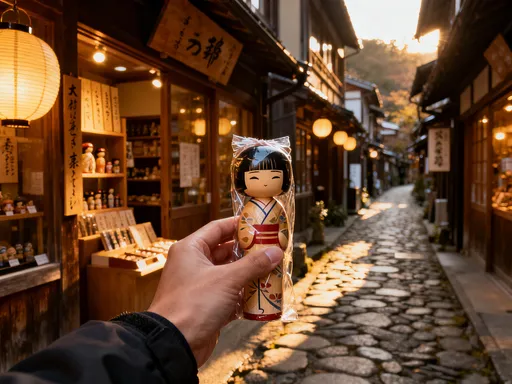
Nestled in the serene hills of Japan, Hakone is more than just hot springs and mountain views—it’s a shopper’s paradise hiding in plain sight. I went looking for souvenirs and left with unforgettable treasures, from handcrafted kokeshi dolls to limited-edition onsen manju packs. The blend of tradition and charm in every store window made me see travel shopping in a whole new light. This is not just retail—it’s storytelling through objects. Each item, carefully displayed and thoughtfully made, carries a whisper of history, a touch of craftsmanship, and the warmth of human intention. In Hakone, shopping becomes a quiet act of connection, linking visitors to local lives, seasons, and stories that unfold one small discovery at a time.
The Unexpected Allure of Hakone’s Shopping Scene
Hakone is often celebrated for its panoramic views of Mount Fuji, its winding forest trails, and its soothing hot spring baths. Yet beneath these well-known attractions lies a quieter, equally compelling layer of travel experience—its unique shopping culture. Unlike the fast-paced consumerism of Tokyo’s Shibuya or Osaka’s Dotonbori, Hakone’s retail landscape unfolds slowly, inviting visitors to pause, observe, and appreciate. Here, shopping is not about accumulation but about selection—about choosing something that feels authentic, meaningful, and deeply rooted in place.
What sets Hakone apart is how seamlessly commerce blends with culture. Stores are not merely transactional spaces; they are extensions of local heritage. A small wooden booth near the hiking trail might sell handmade hadaka jizō—charms depicting bare-bodied stone statues believed to protect travelers. These simple figures, often wrapped in red cloth, are more than trinkets; they are symbols of safety and goodwill, passed down through generations. Purchasing one feels less like buying and more like receiving a blessing.
Similarly, family-run shops specializing in yosegi puzzle boxes—beautifully inlaid wooden containers that require precise sequences to open—offer insight into centuries-old woodworking traditions from the Hakone region. These boxes, originally created as decorative keepsakes, now serve as both souvenirs and brain teasers. Each pattern is unique, and no two artisans produce identical designs. To hold one is to hold a piece of mathematical art, born from patience and precision. This kind of shopping experience transforms the act of buying into an act of appreciation, where value is measured not in price but in story.
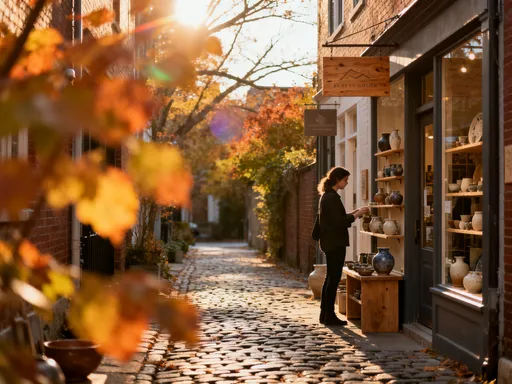
Even the layout of shopping areas reflects this thoughtful approach. Rather than sprawling malls, Hakone offers clusters of intimate storefronts nestled along cobblestone paths or tucked beside moss-covered shrines. Signage is understated, often handwritten, and lighting is soft, allowing the products themselves to speak. There’s no pressure to buy; instead, there’s an invitation to explore. For travelers seeking depth over distraction, this slow, sensory-rich retail environment offers a refreshing alternative to the noise of modern consumer culture.
Owakudani Valley: Where Volcanic Heat Meets Hot Snacks
A visit to Owakudani Valley is a journey into the earth’s raw power. Steam rises from fissures in the ground, sulfuric fumes tint the air faintly yellow, and the scent of minerals lingers on the breeze. It’s a dramatic landscape shaped by volcanic activity, and it’s here—amid the geothermal spectacle—that one of Hakone’s most unexpected shopping experiences unfolds. While many come for the famed kuro-tamago, or black eggs, boiled in natural hot springs and said to add seven years to your life, fewer realize how much retail charm this rugged valley holds.
The snack stalls of Owakudani double as micro-galleries of local ingenuity. Vendors sell kuro-tamago in beautifully designed paper pouches featuring traditional patterns or whimsical illustrations of Mount Fuji. These aren’t just containers—they’re collectible items in their own right. Some tourists keep the empty wrappers as mementos, framing them like tiny works of art. The eggs themselves, dyed black by the iron-rich waters, are mild in flavor but rich in symbolism, representing resilience, longevity, and nature’s transformative power.
Beyond the snacks, Owakudani’s shops offer volcanic ash-based skincare products, including face masks and soaps infused with mineral-rich clays drawn from the valley floor. These items are not gimmicks; they are grounded in the region’s geology and long-standing beliefs in the healing properties of hot spring elements. Many Japanese bathhouses incorporate similar ingredients, and bringing home a small jar of ash scrub feels like carrying a piece of Owakudani’s energy with you. Labels are clear, ingredients are transparent, and packaging is eco-conscious—often wrapped in recyclable paper or reusable tins.
Geothermal-themed souvenirs also abound. You’ll find mugs shaped like steam vents, keychains embedded with real volcanic rock, and even children’s science kits explaining how hot springs form. These items blend education with entertainment, making them ideal for families or curious travelers. What makes this retail experience special is its authenticity—it doesn’t feel manufactured for tourists. Instead, it feels like an organic extension of the landscape, where commerce and nature coexist in harmony. Buying something here isn’t just a transaction; it’s a way of engaging with the land itself.
Hakone-Yumoto: Tradition on Every Shelf
As the main gateway to the Hakone region, Hakone-Yumoto Station serves as both a transit hub and a cultural entry point. The area surrounding the station is a mosaic of old-world charm and quiet commerce, where narrow streets paved with stone lead to wooden storefronts with sliding glass doors and hand-painted signs. This is where tradition feels most accessible—not locked behind museum glass, but alive on shelves, in baskets, and in the hands of shopkeepers who greet visitors with quiet warmth.
One of the most beloved local institutions is Hakone Sekisho, a shop modeled after the historical checkpoint that once regulated travel along the old Tokaido Road. Inside, the space is arranged like a curated exhibit, showcasing regional specialties such as furoshiki—traditional square cloths used for wrapping gifts or carrying goods. These cloths, often printed with crane motifs or seasonal flowers, are more than decorative; they embody the Japanese principle of mottainai, or reducing waste through reuse. A simple furoshiki can replace paper wrapping, plastic bags, or gift boxes, making it a sustainable and elegant choice for modern shoppers.
Equally popular are the sake sets etched with delicate designs, many featuring cranes, pine trees, or waves—symbols of longevity, endurance, and prosperity. These sets, often made from ceramic or lacquered wood, are sold at prices that make them accessible without sacrificing quality. For travelers wanting to bring home a piece of Japanese dining culture, a small sake cup or a pair of matching flasks offers a tangible connection to daily rituals. Some shops even offer personalized engraving, allowing visitors to add a name or date, turning a simple purchase into a lasting keepsake.
Local craft cooperatives also thrive in this area, supporting artisans who practice time-honored techniques like hakone-ishi-hanga, a form of stone printmaking unique to the region. These prints, often depicting mountain scenes or cherry blossoms, are pressed by hand using local stones, resulting in subtle textures and variations that machines cannot replicate. Buying one supports small-scale production and helps preserve a fading art form. In Hakone-Yumoto, shopping becomes a quiet act of cultural stewardship—one that honors the past while sustaining the present.
Gora: Sophistication in a Mountain Retreat
A short cable car ride from the rustic charm of Hakone-Yumoto, Gora presents a different side of the region—one defined by refinement, artistry, and understated elegance. Perched higher in the mountains, this tranquil neighborhood is home to the Pola Museum of Art, whose sleek modern design contrasts beautifully with the surrounding forest. The museum’s presence has elevated Gora’s cultural profile, attracting visitors who appreciate beauty in all its forms—whether on canvas or on a hand-thrown ceramic plate.
The boutiques here reflect this artistic sensibility. Art galleries double as retail spaces, offering everything from contemporary lacquerware to hand-blown glass vases. One shop might display a series of minimalist teapots in muted earth tones, each shaped to fit perfectly in the hand, while another offers delicate glass ornaments inspired by morning dew or falling snow. These items are not mass-produced; they are limited editions, often signed by the artist, and accompanied by small cards explaining the inspiration behind the work.
What makes Gora’s shopping experience unique is the balance it strikes between luxury and approachability. A hand-poured soy candle, crafted with natural waxes and scents like hinoki or yuzu, might sit beside a ¥500 coupon for a local ramen shop. There’s no pretension—just a quiet confidence in the quality of what’s offered. Shoppers aren’t rushed; they’re welcomed to linger, to touch, to ask questions. Many store owners are artists themselves or have direct relationships with the makers, allowing them to share stories behind the objects.
This connection between creator and consumer is central to the experience. In a world dominated by anonymous online shopping, Gora offers something increasingly rare: transparency. You can learn where the clay was sourced, who fired the kiln, and how long a piece took to complete. This depth of information enriches the purchase, transforming it from a mere object into a narrative. For travelers who value intentionality and craftsmanship, Gora’s boutiques offer a sanctuary of thoughtful design and mindful consumption.
Gift Logic: Why Japanese Souvenirs Are an Art Form
In Japan, the act of bringing back souvenirs—known as omiyage—is not a casual afterthought but a meaningful social ritual. Unlike Western traditions where souvenirs might be purely personal mementos, Japanese gift-giving emphasizes thoughtfulness, reciprocity, and regional pride. When a traveler returns home, it is customary to share small treats or tokens with colleagues, neighbors, and extended family. This practice strengthens bonds and expresses gratitude, turning travel into a shared experience rather than a solitary adventure.
The concept of meibutsu—famous local products—plays a central role in this tradition. These are items intrinsically tied to a place, such as Hokkaido’s milk-based sweets, Kyoto’s matcha confections, or, in Hakone’s case, onsen manju, a steamed bun infused with the essence of hot spring water. These buns, often sold in sets of three or five, come wrapped in washi paper printed with scenic views or poetic phrases. Eating one is not just a snack; it’s a sensory immersion in the region’s identity.
Even something as simple as a region-exclusive KitKat flavor—like green tea or wasabi—becomes part of this cultural fabric. While these may seem playful, their popularity reflects a deeper truth: Japanese consumers value uniqueness, seasonality, and locality. Limited-edition releases create a sense of urgency and delight, encouraging people to seek out new experiences. For travelers, this means that even small purchases carry emotional weight. Giving a box of Hakone-exclusive sweets to a friend is not just sharing a treat—it’s sharing a moment, a memory, a connection to a place.
Understanding this mindset transforms the way one shops. Instead of buying impulsively, visitors begin to look for items that tell a story, that reflect the essence of Hakone. A wooden koma spinning top, painted with bold patterns, becomes more than a toy—it’s a symbol of joy and continuity, often given to children. A sachet of yuzu bath salt isn’t just a self-care item; it’s an invitation to recreate the onsen experience at home. In Japan, every souvenir is a vessel of meaning, carefully chosen to convey care, respect, and remembrance.
Smart Shopping: Timing, Transport, and Tactics
While Hakone’s shopping experiences are inherently rewarding, a few practical strategies can enhance the journey. Timing is key. Weekday mornings, particularly between 9:00 and 11:00 a.m., offer the best balance of open shops and manageable crowds. Weekends and holidays, especially during cherry blossom or autumn foliage seasons, can bring large groups of visitors, making narrow streets and small shops feel congested. Arriving early allows for a more relaxed pace, giving travelers time to browse, ask questions, and fully absorb the atmosphere.
Transportation also plays a crucial role. The Hakone Free Pass, available to foreign visitors, provides unlimited access to local trains, buses, cable cars, and even the iconic pirate ship on Lake Ashi. This pass not only simplifies travel but also makes store-hopping across multiple areas—such as Hakone-Yumoto, Gora, and Owakudani—seamless and cost-effective. With easy mobility, shoppers can follow a curated route, moving from traditional markets to mountain boutiques without logistical stress.
When it comes to payment, cash remains essential in smaller shops and family-run stalls. While larger stores and museums accept credit cards or mobile payments, many artisans and local vendors operate on a cash-only basis. Carrying yen in small denominations—¥100, ¥500, ¥1,000 bills—ensures smooth transactions and shows respect for local customs. Additionally, having a small cloth bag or reusable tote is wise; plastic bags are often not provided, in line with Japan’s growing emphasis on sustainability.
Language can be a barrier, but even basic Japanese phrases go a long way. A simple “Sumimasen” (excuse me) when entering a shop, or “Kore wa nan desu ka?” (What is this?) while pointing to an item, opens doors to warmer interactions. Many shopkeepers appreciate the effort, and some will respond with patient explanations or gentle demonstrations. For those who prefer digital assistance, translation apps work well in urban areas, though signal strength may vary in mountainous zones. Ultimately, the goal is not just to buy, but to connect—and small gestures of respect make that connection possible.
Beyond the Bag: How Shopping Enriches Travel Memory
Long after the photos are uploaded and the tan has faded, the souvenirs from Hakone continue to speak. A wooden koma spinning top, bought for a nephew, spins on a kitchen table, bringing laughter and movement into daily life. A sachet of yuzu bath salt dissolves in warm water, releasing a citrusy aroma that instantly transports the user back to a quiet evening in a mountain inn. These objects are more than decorations or novelties—they are sensory anchors, capable of reviving memories with astonishing clarity.
Psychologists have long recognized the power of objects to trigger episodic memory. A scent, a texture, a color can unlock a flood of associated emotions and images. In this way, the items collected in Hakone become vessels of experience. Holding a yosegi puzzle box, feeling the smooth interplay of wood grains, one recalls the quiet concentration of solving it for the first time. Unwrapping a piece of furoshiki, one remembers the rustle of paper, the kindness of the shopkeeper, the dappled sunlight filtering through the trees outside.
Shopping, when done with intention, becomes a form of curation. Each purchase is a deliberate choice to preserve a moment, a feeling, a connection. It’s not about filling suitcases, but about selecting what matters. In a world that often values speed and convenience, Hakone’s shopping culture reminds us of the beauty of slowness, of care, of meaning. These small treasures, carried home with gratitude, do more than decorate shelves—they keep the journey alive.