You Gotta Try These Brisbane Specialties – Real Local Flavors You Can’t Miss
Brisbane isn’t just about sunny skies and river views—its local specialty products are what truly bring the city to life. From farm-fresh goods in bustling markets to handcrafted treasures you won’t find anywhere else, I was blown away by how much character these items add to the experience. If you're planning a trip, knowing what to seek out makes all the difference. Let me show you the authentic side of Brisbane, one unique find at a time.
Introduction to Brisbane’s Unique Local Identity
Brisbane’s charm lies not only in its subtropical climate and vibrant riverfront but also in the rich tapestry of local craftsmanship and regional pride that defines its specialty offerings. Unlike generic souvenirs, Brisbane’s authentic products reflect a deep connection to the land, community values, and sustainable living. These are not mass-produced trinkets made for tourists—they are expressions of identity, cultivated by farmers, artisans, and small business owners who pour passion into their work. What sets these specialties apart is their story: the grower who tends to macadamia trees for decades, the ceramicist shaping clay with native minerals, the entrepreneur reviving Indigenous ingredients in modern wellness products.
For travelers seeking more meaningful experiences, these items offer a tangible way to connect with the city’s soul. Choosing a jar of native honey or a hand-thrown mug supports local economies and fosters cultural appreciation. Moreover, these goods often emphasize sustainability—minimal packaging, seasonal availability, and ethical sourcing are common themes. This alignment with mindful consumption resonates strongly with today’s conscientious traveler, particularly women aged 30 to 55 who value quality, authenticity, and purpose in their purchases. By focusing on local specialties, visitors gain insight into Brisbane’s lifestyle—one rooted in nature, creativity, and community.
Brisbane’s Farmers’ Markets: Where Quality Meets Community
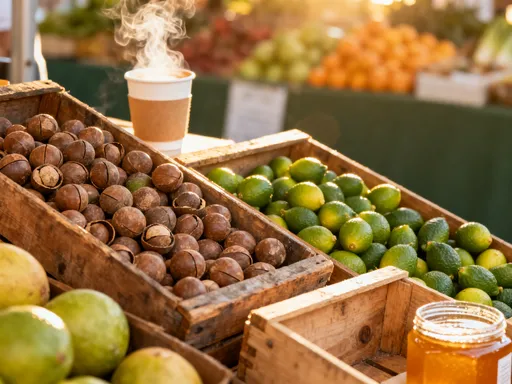
One of the best ways to experience Brisbane’s local flavors is through its vibrant farmers’ markets, where the rhythm of daily life unfolds in stalls brimming with fresh produce, homemade treats, and warm conversations. The Jan Powers Farmers Markets at Paddington is a standout destination, held every Saturday morning beneath the shade of jacaranda trees. This market draws crowds not just for its quality but for its atmosphere—a place where neighbors greet each other by name and visitors are welcomed like old friends. Here, shoppers find an abundance of Queensland-grown specialties, including creamy macadamia nuts harvested from nearby hinterlands, fragrant finger limes bursting with citrus caviar, and raw honey infused with native blossoms like ironbark and blue gum.
Another gem is the Bulimba Village Market, a weekly Sunday event that blends local food with live music and family-friendly energy. Vendors here pride themselves on seasonality and transparency—many display signs listing their farm locations and growing practices. It’s common to see parents explaining to children where their food comes from while sampling cold-pressed apple juice or free-range eggs. For the best experience, arrive early to avoid crowds and bring reusable bags and containers. Engaging directly with producers enhances the visit; asking questions about harvest times or cooking tips often leads to personal recommendations and deeper appreciation.
These markets are more than shopping destinations—they are community hubs where sustainability and connection thrive. Most vendors avoid plastic packaging, favoring paper, glass, or compostable materials. Many offer subscription boxes or delivery options, allowing travelers to continue enjoying Brisbane’s flavors after returning home. Whether it’s a jar of bush honey or a bunch of rainbow chard, each purchase supports small-scale agriculture and reduces environmental impact. For women who value health, family, and responsible consumption, these markets offer both nourishment and peace of mind.
Artisan Food Brands Born in Brisbane
Beyond the markets, Brisbane has cultivated a thriving scene of artisan food brands that blend innovation with tradition. These homegrown businesses are redefining what it means to eat locally, offering products that celebrate Queensland’s unique terroir. Small-batch nut butters, for example, have become a signature item across specialty grocers and cafes. Made with roasted macadamias or cashews, often blended with native spices like lemon myrtle or wattleseed, these spreads bring a distinctly Australian twist to breakfast toast or smoothie bowls. One popular brand sources nuts directly from family farms in the Sunshine Coast, ensuring freshness and supporting rural livelihoods.
Cold-pressed juices are another area where Brisbane shines. Local companies extract vibrant blends from seasonal fruits and vegetables—think watermelon with mint, pineapple with ginger, or kale with apple and turmeric. Unlike mass-market juices, these are unpasteurized and free from preservatives, retaining maximum nutrients and flavor. Many brands partner with urban wellness centers and yoga studios, aligning with a lifestyle that values balance and vitality. Travelers can find these beverages in health food stores like Nourish Me or The Essential Ingredient, or at pop-up stands during weekend festivals.
Equally noteworthy are native spice blends that incorporate traditional Aboriginal ingredients in accessible ways. Wattleseed, with its coffee-chocolate aroma, is used in rubs for grilled vegetables or sprinkled over roasted sweet potatoes. Lemon myrtle, known for its bright citrus notes, enhances seafood dishes and desserts alike. These blends are available in independent grocers such as Food Connect or at the Brisbane Showgrounds’ artisan fairs. Supporting these brands means supporting innovation rooted in respect—for the environment, for cultural heritage, and for quality craftsmanship. For women who enjoy cooking for their families or exploring new flavors, these products offer both inspiration and integrity.
Handcrafted Goods: More Than Just Keepsakes
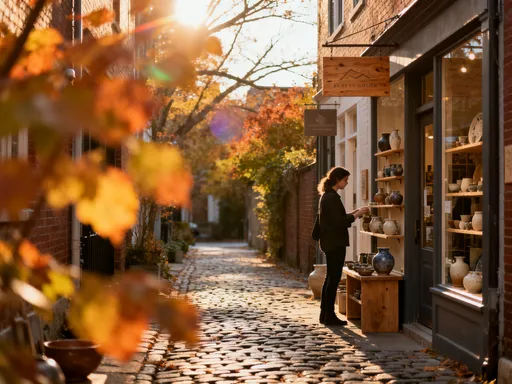
While edible specialties delight the palate, Brisbane’s handcrafted non-food items speak to the senses of touch and sight, offering lasting reminders of the city’s creative spirit. From ceramics fired with local clays to textiles woven with natural fibers, these goods are made with intention and care. Local studios across suburbs like West End, New Farm, and Teneriffe produce pieces that reflect the region’s aesthetic—earthy tones, organic shapes, and subtle textures that echo the landscape. A hand-thrown mug may carry the speckled finish of iron-rich soil, while a linen tea towel might be printed with patterns inspired by native flora.
One notable destination for such craftsmanship is The Mill at Newstead, a revitalized woolstore turned creative hub. Inside, visitors discover studios where potters shape vases on the wheel, jewellers craft earrings from recycled silver, and soap makers infuse olive oil with native botanicals like kunzea and eucalyptus. These soaps, often packaged in compostable paper, are gentle on skin and free from synthetic fragrances—ideal for those with sensitivities or a preference for clean beauty. Purchasing these items supports artists directly and ensures that each piece carries a personal story.
Textiles are another area of excellence. Designers are increasingly using sustainable fabrics such as organic cotton, hemp, and bamboo, dyeing them with plant-based pigments. Some collaborate with Indigenous artists to create prints that honor cultural motifs while remaining respectful and licensed. These collaborations often benefit community art centers, creating economic opportunities while preserving heritage. For travelers, bringing home a handwoven throw or a botanical-print apron is more than a souvenir—it’s a functional piece of art that continues to inspire daily life. By choosing handmade over mass-produced decor, women can curate homes that reflect their values: beauty, sustainability, and authenticity.
Native Ingredients and Indigenous-Inspired Creations
In recent years, there has been a growing appreciation for Aboriginal knowledge, particularly in the realms of food and wellness. Brisbane is at the forefront of this movement, with businesses and cultural enterprises introducing native ingredients to a wider audience in ethical and educational ways. Bush tucker—the traditional food sources of First Nations peoples—includes ingredients like riberry, Davidson plum, and quandong, now featured in jams, chutneys, and sauces sold in specialty stores and online. These products are not only delicious but nutrient-dense, with many native fruits containing significantly higher levels of vitamin C than conventional counterparts.
Kakadu plum, one of the world’s richest sources of vitamin C, has gained attention for its use in skincare. Ethically sourced from Northern Territory harvesters and formulated by Brisbane-based brands, it appears in serums, moisturizers, and facial oils designed for sensitive or aging skin. What distinguishes these products is their commitment to fair trade and cultural respect. Reputable companies partner directly with Aboriginal-owned cooperatives, ensuring that communities benefit from the commercial use of their knowledge. Labels often include information about the origin of ingredients and the cultural significance behind them, turning each purchase into a learning opportunity.
Art-infused homewares are another way travelers can engage with Indigenous culture. Limited-run ceramics, woven baskets, and printed textiles created in collaboration with Aboriginal artists are available through certified galleries and cultural centers. These items are not replicas or caricatures—they are authentic expressions of living traditions. When buying such products, it’s important to verify provenance and avoid mass-market imitations sold in souvenir shops. Choosing ethically sourced creations supports cultural preservation and empowers communities. For women who value education and empathy, these items offer a meaningful way to honor Australia’s First Peoples while enriching their own homes.
Practical Tips for Finding and Choosing Authentic Specialties
With so many options, it can be challenging to distinguish genuine local products from generic imports or tourist-oriented knockoffs. The key is to look for signs of authenticity: vendor names, production locations, ingredient transparency, and packaging details. Real local goods often include the maker’s name, a farm address, or batch numbers. Labels may mention certifications such as “Certified Organic” or “Fair Trade,” which add credibility. When in doubt, ask questions—reputable sellers are proud to share their process and will happily explain where their ingredients come from and how they’re made.
Another useful strategy is to shop at places known for curating local talent. Markets like Jan Powers or events at the Brisbane Powerhouse feature vetted vendors, reducing the risk of encountering mass-produced items. Independent stores such as Milk & Honey Pantry or The Pantry in Paddington specialize in regional goods and often highlight stories behind the brands. Avoid gift shops near major attractions that stock items labeled “Made in China” or with vague descriptions like “inspired by Australia.” True specialties are specific—mentioning a town, a season, or a traditional method.
For perishable items like honey, jams, or fresh produce, consider how you’ll store and transport them. Many local goods are preservative-free and require refrigeration. If traveling interstate or internationally, check quarantine regulations—some fresh foods cannot cross state lines without inspection. Opt for shelf-stable alternatives like spice blends, dried herbs, or packaged ceramics when needed. Bringing a small cooler bag with ice packs can help preserve temperature-sensitive items during transit. Planning ahead ensures that your carefully chosen specialties arrive home in perfect condition, ready to be shared or enjoyed.
Why These Products Elevate Your Travel Experience
Travel is about more than sightseeing—it’s about connection. And few things create deeper bonds with a place than engaging with its local products. Tasting a spoonful of lemon myrtle honey evokes the scent of eucalyptus forests. Running your fingers over a hand-glazed bowl recalls the quiet focus of the artist at work. These sensory experiences become woven into memory, transforming a simple trip into a meaningful journey. For women who travel with family or seek personal enrichment, such moments offer fulfillment that lasts far longer than a photo or a postcard.
Supporting local makers also fosters a sense of responsibility and gratitude. Every purchase becomes a small act of stewardship—sustaining traditions, protecting ecosystems, and strengthening communities. This mindful approach to travel aligns with values of care, intentionality, and respect. It encourages slowing down, exploring neighborhoods beyond the guidebooks, and discovering hidden gems through conversation and curiosity. Whether chatting with a beekeeper at the market or learning about bush tucker from a cultural guide, these interactions enrich the journey in profound ways.
Moreover, bringing home local specialties allows travelers to extend the experience. Sharing a jar of native spice blend with a friend, serving macadamia nut biscuits at a gathering, or displaying a ceramic vase on the dining table keeps Brisbane alive in everyday life. These items spark conversations, inspire cooking experiments, and serve as gentle reminders of sun-drenched mornings by the river. They are not just objects—they are vessels of memory, culture, and connection.
Conclusion: Take Home More Than a Memory
Brisbane’s specialty products are more than souvenirs—they are stories waiting to be shared, connections waiting to be made, and values waiting to be lived out. From the crisp bite of a finger lime to the soft curve of a hand-thrown bowl, each item carries the essence of a city that honors its land, its people, and its future. By choosing authentic, locally made goods, travelers do more than commemorate a trip—they participate in a culture of care and creativity.
To women who seek meaningful experiences, who value quality and purpose, who travel not just to see but to understand—Brisbane invites you to look beyond the surface. Explore its markets, meet its makers, savor its flavors, and carry home something truly special. Let your journey be guided not by crowds or trends, but by the quiet pride of local craftsmanship. In doing so, you don’t just remember Brisbane—you keep it alive, one thoughtful choice at a time.