How I Mastered My Money Through Experience Spending
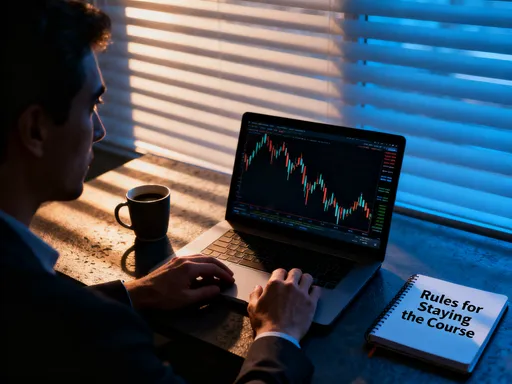
What if spending more could actually make you richer? It sounds backwards, but I’ve learned that upgrading how I spend—on travel, learning, and living well—has transformed my financial strategy. Instead of just cutting costs, I focus on value-rich experiences that pay long-term dividends. This shift didn’t happen overnight, and I’ve made my fair share of mistakes. But now, my fund management is smarter, more balanced, and surprisingly more profitable. The key wasn’t saving every dollar, but redefining what it means to spend wisely. I discovered that not all expenses are equal—some drain resources while others generate returns far beyond the initial cost. This realization changed everything.
The Mindset Shift: From Saving to Strategic Spending
For years, personal finance advice centered on one core message: spend less, save more. While this principle holds truth, it often leads to a narrow view of wealth building—one that equates financial success with deprivation. Many people adopt extreme frugality, canceling subscriptions, clipping coupons, and avoiding any form of discretionary spending. Yet, despite these efforts, long-term financial satisfaction remains elusive. The reason is simple: wealth is not just about accumulation, but about alignment. When spending is disconnected from personal values and long-term goals, even the most disciplined budget can feel hollow.
The real breakthrough came when I stopped seeing spending as the enemy and began viewing it as a strategic tool. This mindset shift—from cost-cutting to value creation—opened new possibilities. Instead of asking, “How little can I spend?” I started asking, “What kind of spending will bring lasting benefit?” This subtle change in perspective allowed me to prioritize investments in experiences that enrich both life and finances. For example, attending a professional development workshop may cost several hundred dollars, but the skills gained could lead to a promotion or career pivot. Similarly, traveling to a new country may require a budget, but the cultural exposure, confidence, and expanded worldview often pay dividends in unexpected ways.
Traditional saving strategies often overlook the psychological cost of constant restriction. When every purchase feels like a compromise, financial discipline becomes unsustainable. In contrast, strategic spending fosters motivation and engagement. When people see their money working for them in meaningful ways, they are more likely to stay committed to long-term financial plans. The goal is not to abandon prudence, but to elevate it—moving from blind frugality to intentional allocation. This approach doesn’t eliminate spending limits; rather, it redefines them based on impact rather than price alone.
Real-life examples illustrate this shift. A woman in her early 40s decided to invest in a certified financial planning course instead of continuing to manage her portfolio alone. The upfront cost was over $2,000, but within two years, she had optimized her investments, reduced unnecessary fees, and increased her annual returns by 3%. Another individual used vacation time and savings to attend a wellness retreat, which helped him reset his work-life balance. Upon returning, he negotiated a remote work arrangement, saving thousands in commuting costs and increasing his productivity. These are not isolated cases—they reflect a growing understanding that certain expenditures function more like investments than expenses.
Experience Consumption as an Investment, Not an Expense
At the heart of this financial evolution is the concept of experience consumption as an asset class. Traditionally, assets are defined by their ability to generate income or appreciate in value—stocks, real estate, or savings accounts. But intangible assets, such as knowledge, confidence, and emotional resilience, also grow over time and yield measurable returns. When viewed through this lens, spending on travel, education, or personal development is not a loss, but a form of capital allocation.
Consider the financial and psychological returns of a well-planned trip. Beyond the immediate enjoyment, travel exposes individuals to new ideas, cultures, and ways of living. These experiences often spark creativity, improve problem-solving skills, and enhance adaptability—qualities highly valued in the workplace. A study published in the Journal of Personality and Social Psychology found that people who live abroad or travel extensively demonstrate higher levels of cognitive flexibility, a trait linked to innovation and leadership. These soft skills, though difficult to quantify, contribute directly to career advancement and earning potential.
Similarly, investing in education—whether through formal courses, online certifications, or workshops—produces compounding returns. Learning a new language, mastering a software tool, or understanding market trends can open doors to higher-paying roles or entrepreneurial opportunities. Unlike material purchases, which depreciate quickly, knowledge appreciates with use. The more someone applies what they’ve learned, the more valuable it becomes. This is the essence of intangible asset growth: it builds momentum over time, much like compound interest in a retirement account.
The comparison between tangible and intangible assets reveals a crucial insight: while physical possessions lose value, experiences gain it. A luxury handbag may retain some resale value, but a transformative journey or a hard-earned certification continues to influence decisions, relationships, and income for years. Memories, skills, and personal growth do not wear out—they evolve. A woman who learns public speaking through a training program may initially feel the cost is high, but as she gains confidence and begins leading meetings or giving presentations, the return becomes evident. Each successful interaction reinforces the value of that initial investment.
Moreover, experiences contribute to overall well-being, which in turn supports financial stability. People who feel fulfilled and mentally resilient are less likely to engage in impulsive spending or fall into debt due to stress. They make more deliberate financial choices and maintain better long-term discipline. In this way, spending on personal growth isn’t just about immediate gratification—it’s about building a foundation for sustained financial health. The compound effect of these choices becomes clear over time: small, intentional investments in experiences lead to larger, lasting gains in both life quality and net worth.
Building a Fund Strategy That Supports Lifestyle Goals
A truly effective financial plan does not force lifestyle sacrifices—it aligns with them. Too often, investment strategies are built in isolation from personal aspirations, leading to disengagement and inconsistency. When people feel their financial goals are at odds with their desired way of living, they are more likely to abandon discipline when temptation arises. The solution lies in designing a fund management approach that integrates lifestyle objectives from the start.
This begins with clarity about personal values. What kind of life does someone want to live? Is it frequent travel, access to quality education for children, the freedom to work remotely, or the ability to support family members? Once these priorities are identified, financial planning shifts from a rigid set of rules to a dynamic framework that supports meaningful experiences. For instance, if international travel is a core value, the investment strategy might emphasize steady dividend income and moderate growth to fund annual trips without derailing long-term goals.
Liquidity plays a critical role in this balance. While long-term investments like retirement accounts or index funds are essential, they are not always accessible for short-term experiences. A well-structured portfolio includes a portion of liquid assets—such as high-yield savings accounts, money market funds, or short-term bonds—that can be used for planned experiences without disrupting core investments. This ensures that enjoying life today does not come at the expense of security tomorrow.
Risk tolerance and time horizon must also be factored in. A 35-year-old professional with a stable income and long career ahead may comfortably allocate a portion of funds to higher-growth assets, knowing there is time to recover from market fluctuations. At the same time, they can set aside a dedicated “experience fund” in lower-risk instruments to finance near-term goals like a sabbatical or a family vacation. This dual approach allows for both growth and enjoyment, avoiding the all-or-nothing mindset that often derails financial plans.
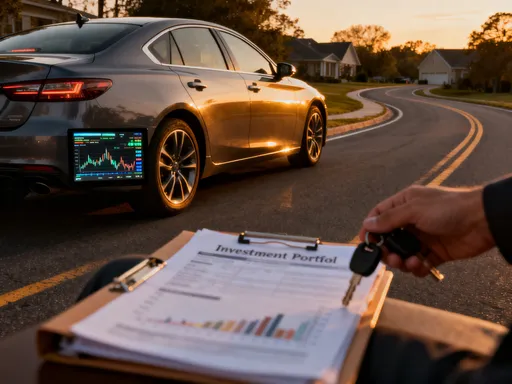
A real-world example demonstrates this balance. A couple in their late 30s structured their portfolio to include 60% in diversified index funds, 20% in real estate investment trusts (REITs), 10% in bonds, and 10% in a high-yield savings account designated for travel and learning. Over five years, their investments grew steadily, and they took three international trips, each carefully budgeted and planned. Rather than feeling guilty about spending, they viewed these trips as part of their wealth-building strategy—experiences that enriched their lives and strengthened their relationship. Their financial discipline remained intact because their spending was intentional and integrated into their overall plan.
Risk Control: Avoiding the Lifestyle Inflation Trap
One of the greatest dangers in experience-based spending is the risk of lifestyle inflation—spending more as income rises, without regard for long-term consequences. This often happens under the guise of self-improvement or personal growth. A person might justify frequent luxury retreats, expensive courses, or spontaneous trips as “investments,” when in reality, they are discretionary indulgences with limited return. Without clear boundaries, this pattern can erode financial progress and lead to debt or delayed goals.
The key to avoiding this trap is discernment. Not every experience adds value. Tools such as cost-benefit analysis, reflection journals, and spending reviews can help distinguish between high-impact and wasteful expenditures. Before committing to a costly experience, asking questions like “What will I gain from this?” “How will it affect my long-term goals?” and “Is there a more affordable alternative with similar benefits?” can prevent emotional decision-making. For example, a $3,000 meditation retreat may offer deep relaxation, but a local weekend workshop for $300 might provide similar benefits with proper research.
Budgeting frameworks such as the 50/30/20 rule—50% for needs, 30% for wants, 20% for savings—can be adapted to support experience spending without overspending. Within the “wants” category, individuals can allocate a specific portion to high-value experiences while maintaining limits. Tracking expenses monthly ensures accountability and allows for adjustments based on actual outcomes. If a particular experience did not deliver expected benefits, future allocations can be revised accordingly.
Monitoring financial health is equally important. Regular check-ins on net worth, debt levels, and emergency fund status help maintain perspective. Even when enjoying life, individuals should ensure they are still meeting key benchmarks—such as saving 15% of income for retirement or maintaining six months of expenses in liquid assets. This balanced approach allows for enjoyment while preserving long-term security. The goal is not to eliminate pleasure, but to ensure it is sustainable and aligned with broader financial objectives.
Practical Tactics for Smarter Experience Spending
Maximizing the return on experience investments requires intentionality and strategy. One effective method is prioritization based on impact and longevity. High-impact activities—such as learning a high-income skill, attending a career-advancing conference, or traveling to a country relevant to one’s profession—should take precedence over fleeting pleasures. These experiences have the potential to generate ongoing benefits, whether through increased income, expanded networks, or enhanced personal capabilities.
Data-driven reflection is another powerful tool. Keeping a record of past experiences—what was spent, what was gained, and how it influenced decisions or emotions—allows for informed future choices. Over time, patterns emerge: certain types of spending consistently deliver high satisfaction and measurable returns, while others do not. This insight enables smarter allocation of future funds. For instance, someone may realize that investing in cooking classes led to healthier eating and reduced grocery bills, while frequent dining out provided short-term enjoyment but no lasting benefit.
Negotiating better deals and accessing premium experiences without overspending is also possible. Many educational programs offer scholarships, early-bird discounts, or payment plans. Travel can be optimized through off-season bookings, loyalty programs, or house-swapping networks. Even luxury experiences often have hidden pricing tiers or group rates that reduce per-person costs. Being proactive in research and communication can unlock significant value without compromising financial discipline.
Another tactic is bundling experiences with existing goals. For example, combining a family vacation with a child’s educational interest—such as visiting historical sites during a history unit—enhances learning while creating lasting memories. Similarly, attending a professional conference in a desirable location turns a work obligation into a mini-vacation. These synergies increase the overall return on investment by serving multiple purposes at once.
Long-Term Gains: How Experiences Boost Earning Potential
The most profound financial returns from experience spending often come indirectly. A woman who takes a solo trip to Japan may return not only with memories but also with a new passion for Japanese design, leading her to launch a niche e-commerce store. A man who attends a leadership seminar may form connections that result in a consulting opportunity. These outcomes are not guaranteed, but they are far more likely when individuals step outside routine and expose themselves to new stimuli.
Personal growth and income growth are deeply intertwined. Employers value adaptability, cultural awareness, and continuous learning—qualities cultivated through diverse experiences. People who travel, learn, and challenge themselves are more likely to be seen as innovative and resilient, traits that open doors to promotions, raises, and new opportunities. In a competitive job market, these intangible advantages can make the difference between stagnation and advancement.
Moreover, experiences often spark entrepreneurial ideas. Many successful businesses began as personal passions discovered during travel, study, or exploration. The founder of a popular language-learning app may have been inspired by struggling to communicate abroad. A wellness coach might trace their career to a life-changing retreat. These stories are not exceptions—they reflect a pattern where experience spending serves as a catalyst for financial transformation.
The indirect return on investment (ROI) of stepping outside one’s routine is difficult to measure immediately, but its cumulative effect is undeniable. Each new experience builds a broader perspective, deeper confidence, and a richer network—all of which contribute to long-term earning power. Over time, the financial benefits compound, often exceeding the returns of traditional investments.
A Sustainable Approach to Wealth and Well-Being
Ultimately, financial success is not just about the number in a bank account. It is about creating a life of meaning, balance, and security. A sustainable approach to wealth integrates joy, growth, and responsibility. It recognizes that money is a tool—not an end in itself. When fund management serves a purpose beyond accumulation, it becomes more fulfilling and more effective.
Discipline and freedom are not opposites; they are partners. True financial freedom comes not from unlimited spending, but from the ability to make intentional choices. By investing in high-value experiences, individuals build both wealth and well-being in parallel. They avoid the burnout of constant frugality and the emptiness of mindless consumption. Instead, they cultivate a balanced life where money flows in service of what matters most.
The journey from saving to strategic spending is not about spending more—it’s about spending better. It requires reflection, planning, and ongoing adjustment. But for those willing to rethink their relationship with money, the rewards are profound. Financial health, personal growth, and life satisfaction grow together, creating a legacy that extends far beyond dollars and cents.